



The causes of climate change have been known to us for decades. The tragic consequences of this phenomenon on our ecosystems and communities are plainly visible. It is time to take urgent and collective action in order to mitigate the effects of climate change. But to find a strong base, one question needs to be answered first: how to decrease climate change?
To combat climate change, we must shift away from fossil fuels. It is also important to use renewable energy and make buildings and transportation more sustainable. On top of that, better managing forests and switching to clean farming must be prioritised. Besides, saving resources and improving technology mustn’t be ignored.
The points we just mentioned need proper reasoning and explanation. That’s why, in this article, we will give you a proper go-through of all these solutions. By the end of it, your position on combating climate change will be very firm.
9 Solutions on How to Decrease Climate Change
Our climate crisis is more evident than ever in its causes and effects. The silver lining is that the solutions are pretty obvious as well. What is required is for us to dedicate ourselves to those solutions. Still, it can be hard to pick the best ones among all the potential choices. So, here we discuss the nine best ways to combat climate change to make your job easier:
1. Ending Our Reliance on Fossil Fuels
About 75% of the emissions that warm the planet come from burning coal, oil, and natural gas in homes, factories, and cars. That’s why our biggest and most important weapon against the climate crisis is to use a lot less fossil fuels.
Researchers say we need to reduce emissions of carbon around the world by at least 45 % below levels seen in 2010 by 2030. The Intergovernmental Panel on Climate Change’s (IPCC) Special Report on Global Warming of 1.5°C says we need to act faster if we want to meet this goal and avoid the worst and deadliest impacts of climate change. As part of it, renewable energy sources must be used instead of coal, oil, and gas.
Some good signs are there. Clean energy is getting better every year, thanks to better technology and lower costs of production. Additionally, wind and solar power are still producing increasing amounts of electricity. A record 10% of the world’s electricity came from renewable sources in 2021.
Apart from that, automotive companies and governments are both getting ready for a time when most vehicles on the road will produce no emissions. Investing in fixing our old grid infrastructure and adding new transmission lines can also help us reach our full clean energy potential.
2. Greater Energy Efficiency
Energy efficiency is the first fuel—the fuel you do not need to use. It is also inexpensive and widely available to extract. This is true whether we are using gas power or solar energy on the roof. When looked at this way, efficiency is our biggest source of energy. For years, efficiently using any energy has helped meet the world’s energy needs more than oil, coal, gas, or nuclear power. This is because the technology related to efficiency has improved.
Another reason is that strategies for saving energy can be used in many places. This includes power plants, electrical grids, factories, cars, buildings, home appliances, and more. However, it can be very hard to implement some of these eco-friendly strategies. For example, it might be hard to get utility companies to switch to systems of regulation that are based on performance. In these systems, they would make money by selling more energy and providing better services.
On the other hand, some strategies are incredibly easy to use. For example, we can use a lot less energy by
- Making buildings weatherproof
- Putting on cool roofs
- Substituting boilers and air conditioners with super-efficient heat pumps
- Changing light bulbs from incandescent to LED
3. Renewable Energy
The secret to defeating climate change is making the switch from fossil fuels to clean energy. Listed below are some of the most prevalent renewable energy sources.
-
Solar Energy
Solar energy is rapidly growing, accounting for over half of new electricity generation from 2020 to 2026. When photovoltaic cells absorb sunlight and turn it into electricity, they produce solar energy. These cells, found in solar panels on rooftops and the ground, cause zero greenhouse gas emissions (GHG). Moreover, they work year-round.
But what happens when the sun doesn’t shine? This is where battery storage becomes crucial. It supports the clean energy revolution and helps adapt to a warming world. Batteries store energy for nighttime use and manage demand on hot days. This prevents power failures and ensures a stable energy supply.
-
Wind Energy
Unlike solar panels, wind turbines generate power more traditionally. The process involves winding turbine blades and spinning a generator.
Wind energy is growing rapidly as its low cost and clean energy benefits are recognised. Wide-open spaces are considered prime sources of this energy. However, offshore wind has immense potential as well. Offshore wind peaks in the evenings. This matches high electricity demand and compensates for cloudy, rainy days. Still, smart planning and protective measures are required to maximise offshore wind’s promise while minimising wildlife impacts.
-
Geothermal and Hydroelectric Energy
Water, like sunlight and wind, also offers renewable energy potential. There are two ways water can contribute here:
- Geothermal energy
- Hydroelectric energy
Geothermal energy involves drilling deep underground to extract hot water and converting it into steam to power turbines. Modern geothermal plants are clean and renewable if managed properly. However, properly cited geothermal projects are crucial, as some methods may trigger earthquakes.
Conversely, hydroelectric energy uses gravity to move water through turbines. Small-scale hydroelectric plants are safe and renewable. However, mega-dams pose significant environmental challenges.

4. Sustainable Transportation
Only opting for renewable energy sources isn’t enough. Sustainably fixing sources of GHG emissions, such as transportation, is also significant in order to reach the goal of net zero emissions by 2050. This goal was set in the 2015 Paris Agreement.
One of the ways to bring sustainability to transportation is by leaning towards electric vehicles (EVs). Alongside being superb transportation options, EVs could help keep the power grid stable by providing power during times of high demand. This would lower the risk of blackouts.
Overwhelmed by the advantages, foreign governments are gradually outlawing gas-powered vehicles to hasten the transition to an all-electric future. 9% of all cars sold around the world in 2021 were EVs. By 2035, they are expected to make up more than half of all new vehicle sales. The year 2035 is considered to be a turning point for EV adoption and climate action. Countries and automakers have agreed to phase out vehicles with internal combustion engines (ICEs) within this timeframe.
However, it is important to have a variety of transportation options. We can cut car travel and carbon emissions by a large amount. This is how we can do it-
- Expanding public transportation options like subways, buses, ride-sharing services, and streetcars
- Implementing congestion pricing
However, these changes can not happen without a lot of planning and funding and the building of infrastructure at the local, state, and national levels. Hence, to comprehensively tackle transportation’s impact, holistic strategies are essential. Examples of such strategies include changing logistics and land-use rules to lower emissions from transportation and freight hubs. This reduces public health risks for those who live nearby. Besides, empowering marginalised communities to create long-lasting climate solutions must be a top priority for sustainable solutions.
5. Sustainable Buildings
Alongside transportation, energy consumption in buildings, powering lights, appliances, heating, and cooling is a major global source of carbon emissions. Opting for home energy efficient options like upgrading windows and insulation is important for lowering these emissions. It is also very important that people know about and support eco-friendly, cost-effective upgrades like heat pumps.
Additionally, decarbonising buildings is another useful initiative. By decarbonising, we mean replacing fossil fuel systems with clean energy alternatives. However, it requires the support of the public and private sectors. Policies mandating all-electric systems in new construction and rigorous energy conservation standards are pivotal. The good news is that, globally, building performance standards are being adopted to reduce energy consumption and emissions from existing structures.
Along with the other steps listed above, it is very important to invest in affordable housing. This will ensure that everyone can live in climate-friendly, low-carbon homes.
6. Better Forestry Management and Sustainable Agriculture
Achieving sustainability in urban projects shouldn’t divert our focus from our duties towards nature. That’s because natural elements like trees, plants, and soil play a crucial role in combating climate change. These natural carbon sinks store vast amounts of carbon. Without them, global temperatures could soar uncontrollably, akin to Venus.
When forests are cleared for timber or wetlands are drained for development, stored carbon is released. This exacerbates global warming. Besides, this destructive practice harms wildlife and Indigenous people. Likewise, nitrogen-based fertilisers and industrial livestock farming emit substantial amounts of nitrous oxide and methane. Both of these are potent GHGs.
Planting new trees cannot match the carbon storage of old-growth forests. That’s why it’s necessary to halt deforestation. Responsible forestry policies, international cooperation, and changes in consumer behaviour can play a vital role here. Besides, managed landscapes, including agricultural areas, must be treated with care. Organic and regenerative agriculture practices can help in this regard, which include
- Cover crops
- Reduced pesticides
- Rotational grazing
- Compost instead of synthetic fertilisers
All these practices promote healthier soils and foods while mitigating climate impacts.
7. Conservation-Based Solutions
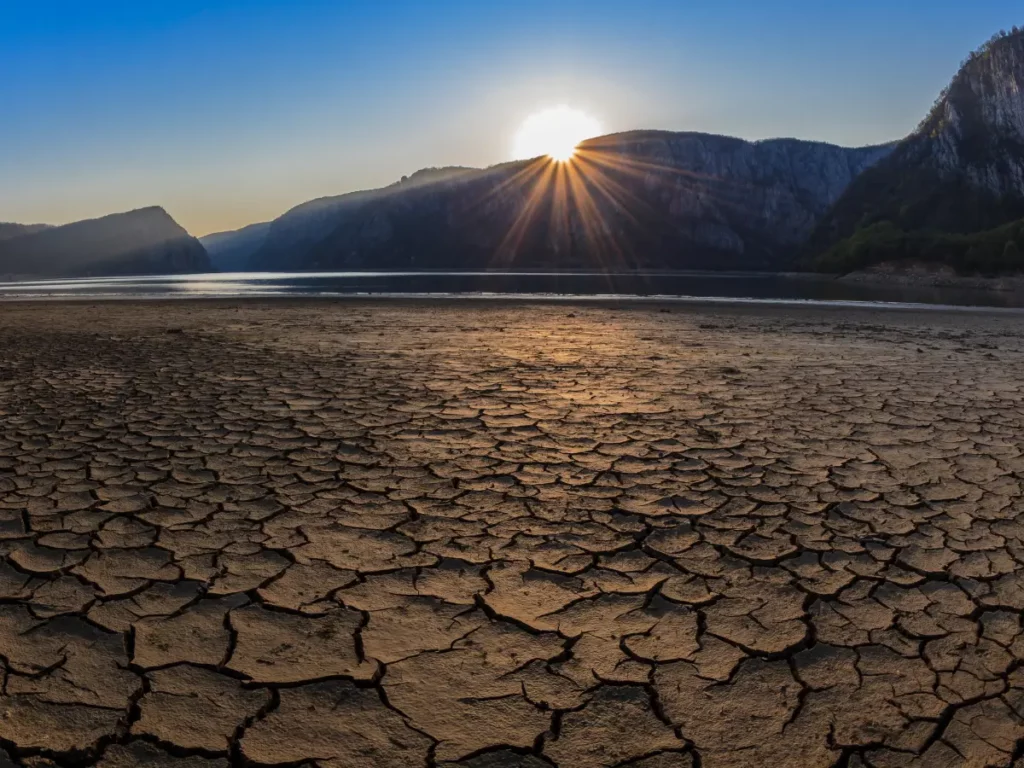
Preserving nature is essential for tackling climate pollution effectively. Intact ecosystems play a crucial role in storing carbon. For instance, coastal areas like wetlands and mangroves trap tons of carbon dioxide (CO2) in their roots. Besides, forests absorb a significant portion of fossil fuel emissions annually. On top of that, freshwater wetlands hold a substantial amount of global soil carbon.
To boost the aforementioned initiatives, climate experts support the IPCC’s recommendation to protect and restore at least 30% of land, inland waters, and oceans by 2030. Achieving this requires
- Managing industrial impacts on public lands and waters
- Safeguarding natural landscapes
- Establishing marine protected areas
- Upholding environmental laws
- Respecting Indigenous stewardship of lands and waters spanning millennia
8. Industrial Solutions
Heavy industry, responsible for 40% of global GHG emissions, centres on carbon-intensive products. These products include chemicals, steel, cement, aluminium, glass, and paper. Besides, industries emit pollutants that are harmful to human health.
Then again, many industrial plants will remain operational for decades, making things more difficult. This means that the emission goals for 2050 are literally just one investment cycle away. To tackle this, decarbonised industrial processes need to be able to be used on a large scale within the next ten years. This is important for developing countries that want to promote emission-free growth. Additionally, these methods should improve manufacturing and create job opportunities. Given these long-term time frames and the need to effectively reduce climate impacts, investing and taking action now are critical.
9. Technological Solutions
Technology alone will not solve climate change, especially with dangerous geoengineering plans. Still, it is essential for dealing with the problem. Without technology, many important goals would not be achievable, like
- Longer-lasting EV batteries
- Nonpolluting hydrogen-based solutions
- Reliable, safe, and equitable methods for capturing and sequestering carbon
But we need to learn from our mistakes. For example, we could lessen the damage that lithium mining does to the area and make it easier to recycle solar cells. Besides, there should be no reason to pollute in the name of carbon capture.
Nevertheless, strong funding is needed to move these technologies forward. Governments should put clean energy funding at the top of their list of priorities. To spark new ideas, grants, subsidies, tax breaks, and other forms of support should be used. This approach can fight global climate change more effectively. Simultaneously, it can also protect the environment and promote fairness.
Conclusion
Tackling and addressing climate change requires well-measured steps. The first steps include reducing fossil fuel use and increasing clean energy adoption. Besides, renewable sources like solar, wind, geothermal, and hydroelectric power are crucial. Energy efficiency and environmentally friendly urban practices are also required. Besides, protecting natural carbon sinks and halting deforestation are vital.
Alongside these measures, it’s necessary to decarbonise heavy industries. Plus, technology must be advanced with adequate funding. This can only be accomplished through global cooperation, robust policies, and public support. Together, these efforts can effectively combat climate change and promote a more sustainable, equitable future.
When discussing ways to reduce climate change, we must always prioritise personal actions. This includes understanding and managing our environmental impact. This is where Clima can help with ground-breaking solutions. Contact us right away to take part in certified carbon projects that will help the environment and lower your carbon footprint.
 Arvind Singh